PTSD Symptoms Can Re-emerge Later in Life, Experts Note in St. Louis
In St. Louis, a trending topic highlights that Post-Traumatic Stress Disorder (PTSD) symptoms can resurface and become more pronounced later in life, often triggered by major life changes like retirement or loss. Experts explain that the body and brain may…

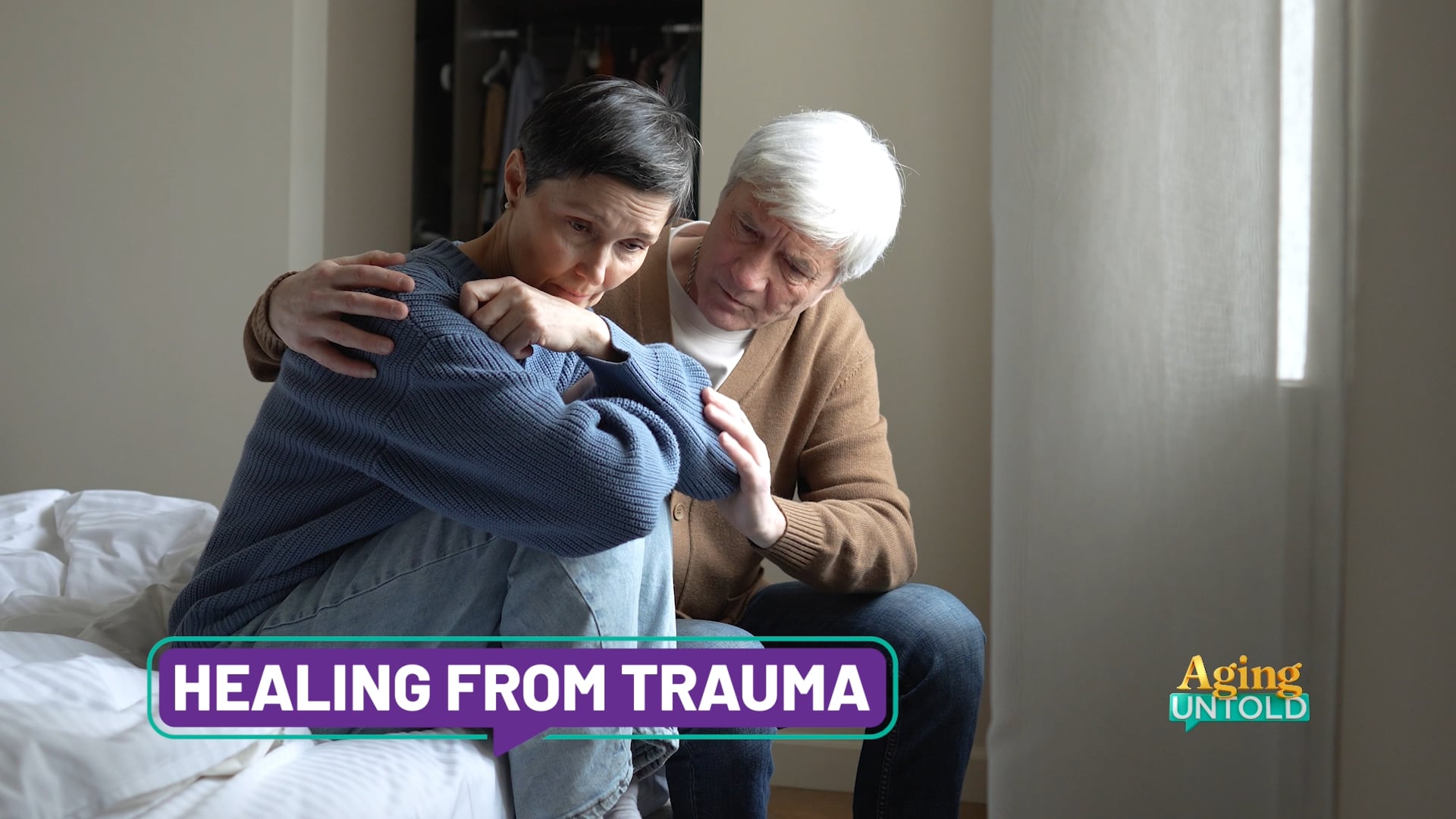
 St. Louis, MO, October 7, 2026 — In St. Louis, experts are drawing attention to a concerning trend: the resurgence and intensification of Post-Traumatic Stress Disorder (PTSD) symptoms in later life. These symptoms, which may have been dormant or less severe, can become more pronounced following significant life transitions such as retirement or the loss of loved ones.
The underlying cause, according to specialists, lies in the body and brain’s prolonged state of alert developed from enduring past trauma. This chronic activation can manifest in ways that are not always immediately recognized as PTSD.
Older adults experiencing these re-emerging symptoms may be misdiagnosed. Professionals note that the signs can often be mistaken for other conditions common in later life, including dementia or depression. This potential for misidentification underscores the importance of a thorough assessment when individuals present with new or worsening psychological distress, particularly after experiencing major life events.
The dynamic nature of trauma response suggests that the effects of past traumatic experiences can persist and evolve throughout an individual’s lifespan. This trend highlights the need for ongoing awareness and specialized care for aging populations who may be dealing with the late-onset or late-intensification of PTSD.
Story summarized from the original created by LeAnne Gendreau, Katherine Ambrose , Sondra ‘Sam’ Cradduck , Amy Amy Cameron O’Rourke, Rhea Rogers on www.firstalert4.com, see more information here.
Media gallery