
TCB Drones Academy Calls on HOAs and Patrol Groups to Prepare for Drone Safety
Plano and Miami-Dade drone programs show why neighborhood groups need trained pilots, clear policies and trusted

Press Release Disclaimer: This is a press release distributed through the XPR Media network. It has not been independently verified by our newsroom.
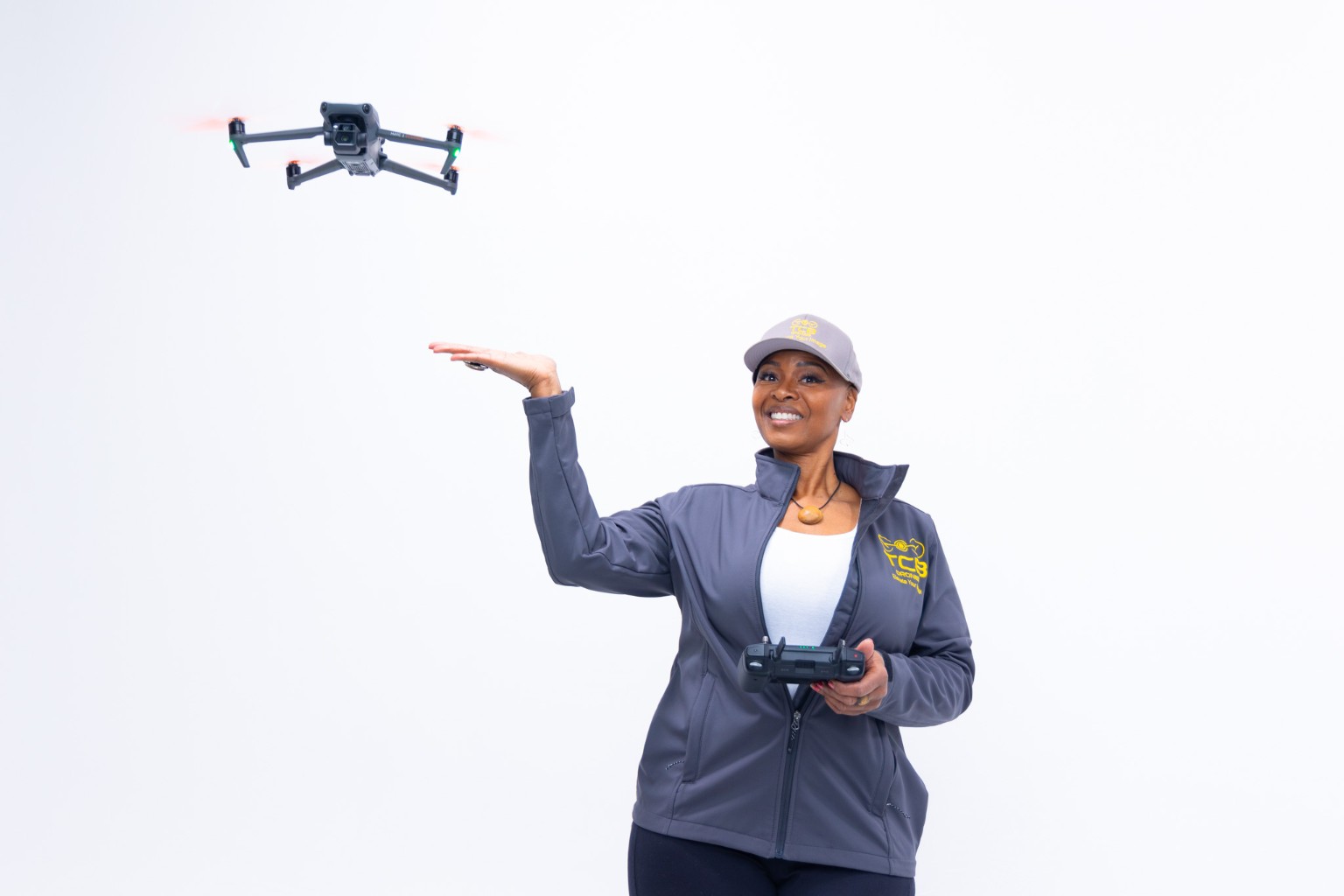

Plano and Miami-Dade drone programs show why neighborhood groups need trained pilots, clear policies and trusted public-safety partnerships.
DALLAS, TX, UNITED STATES, August 2, 2026 /EINPresswire.com/ — As law-enforcement agencies adopt drones and other advanced response technology, TCB Drones Academy is introducing a Community Drone Safety and Readiness Initiative for homeowners associations, Neighborhood Crime Watch Patrols, Citizens on Patrol programs and other community-based safety organizations.
The initiative will help neighborhood leaders explore how qualified drone pilots could support emergency preparedness, missing-person searches, severe-weather assessments, large community events and public-safety efforts coordinated with local authorities.
The program is not intended to turn neighborhood volunteers into police officers or encourage routine surveillance. Instead, TCB Drones Academy will educate organizations about FAA requirements, pilot training, privacy protections, operating procedures and responsible collaboration with law enforcement, fire departments and emergency-management agencies.
“Public-safety agencies are building the training, policies and infrastructure needed to use drone technology responsibly,” said Steffanie Rivers, founder of TCB Drones Academy. “Neighborhood organizations should not copy police operations, but they should not wait until a crisis happens to understand how trained drone pilots could responsibly support their communities.”
PLANO INVESTS IN DRONE-BASED EMERGENCY RESPONSE
The Plano City Council recently approved an approximately $1.4 million, five-year contract for the Plano Police Department’s Drone as First Responder program.
The program will allow drones to respond to certain emergency calls and provide real-time aerial information before officers arrive. Potential uses include traffic incidents, fires, search operations and other emergencies. Plano officials have also emphasized that the drones are intended for emergency response rather than routine surveillance.
“When a city invests more than a million dollars in a drone response program, it confirms that this technology is becoming part of modern public safety,” Rivers said. “The lesson for neighborhoods is not that they need expensive equipment. The lesson is that they need education, trained people, written policies and trusted relationships.”
MIAMI-DADE TESTS DRONE-CAPABLE PATROL TECHNOLOGY
The Miami-Dade Sheriff’s Office has also introduced advanced patrol technology that combines an autonomous patrol vehicle with cameras, real-time crime information, license-plate recognition and the ability to launch a drone from the vehicle’s roof.
The technology is being examined for its possible effects on emergency response, crime deterrence, officer safety and public trust. Miami-Dade officials have emphasized that it is intended to support trained personnel, not replace deputies.
“Cities and law-enforcement agencies are examining how drones can help them see what is happening, cover more ground and make better decisions,” Rivers said. “Neighborhood leaders should begin asking how the same technology could support clearly defined community needs without crossing the line into unauthorized surveillance or police activity.”
WHO THE INITIATIVE WILL SERVE
The Community Drone Safety and Readiness Initiative is being developed for:
• Neighborhood Crime Watch and Neighborhood Watch organizations
• Citizens on Patrol and Volunteer Citizens on Patrol programs
• Homeowners association boards and safety committees
• Master-planned communities and gated-community patrol groups
• Condominium, residential and apartment associations
• Community Emergency Response Teams
• Citizens Police Academy alumni associations
• Neighborhood and civic associations
• Private security companies serving residential communities
• Faith-based community safety teams
• National Night Out planning committees
The initiative will begin with education and a program-readiness conversation, not the immediate purchase or deployment of drones.
COMMUNITY VOLUNTEERS WOULD NOT BECOME POLICE OFFICERS
Neighborhood patrol members would not chase suspects, confront individuals, make traffic stops, conduct investigations, enter private property or attempt arrests. Their role would be to observe, document, report and coordinate within an approved community-safety or emergency-response plan.
“Observe, document, report and coordinate—that is the boundary,” Rivers said. “A responsible drone initiative must protect the community without creating unnecessary fear, conflict or liability.”
Potential community applications may include:
• Missing-person and missing-pet searches
• Severe-weather and storm-damage assessments
• Flooding and blocked-road documentation
• Emergency-preparedness exercises
• Aerial awareness during large neighborhood events
• Documentation of damage to community property
• Mapping emergency exits and gathering locations
• Supporting authorized search and recovery efforts
TRAINING MUST COME BEFORE TECHNOLOGY
TCB Drones Academy will help organizations determine what problem they are trying to solve, who will operate and maintain the aircraft, what training is required, when deployment is appropriate, how privacy will be protected and how operations will be coordinated with local authorities.
“The first purchase should not be a drone,” Rivers said. “The first investment should be education, policy and trust. Once those pieces are established, the organization can make a responsible decision about whether drone technology belongs in its community-safety plan.”
Under the FAA’s Small Unmanned Aircraft Systems Rule, operators flying under Part 107 must obtain an FAA Remote Pilot Certificate and comply with applicable operating, registration, airspace and safety requirements. Some operations may require additional authorization or waivers.
A NEW TRAINING OPPORTUNITY
TCB Drones Academy may provide participating organizations with FAA Part 107 test preparation, hands-on flight instruction, community drone safety workshops, privacy education, emergency-response scenario training, program-readiness assessments and standard operating procedure guidance.
“Plano and Miami-Dade show us where public-safety technology is moving,” Rivers said. “Our mission is to help neighborhood organizations prepare responsibly, train qualified people and understand both the possibilities and the limits of drones before they attempt to operate them.”
TCB Drones Academy invites HOA boards, community association managers, Neighborhood Crime Watch Patrols, Citizens on Patrol programs, residential security organizations, and neighborhood leaders to request an educational presentation or a partnership conversation.
ABOUT TCB DRONES ACADEMY
Founded by Steffanie Rivers, TCB Drones Academy provides FAA Part 107 preparation, hands-on flight instruction, professional drone services, organizational workshops and consulting.
Rivers is an FAA-certified drone instructor and the first Black woman to register a drone academy in Texas. TCB Drones LLC is certified as a Woman-Owned Small Business and Disadvantaged Business Enterprise.
For more information, visit www.tcbdrones.com
Kevin D Williams
TEAM VISION LLC
+1 501-952-4331
support@teamvisionmedia.com
Visit us on social media:
LinkedIn
Instagram
Facebook
YouTube
From Law Enforcement To Drone Pilot In 30 Days — The Daryl King Story
Legal Disclaimer:
EIN Presswire provides this news content “as is” without warranty of any kind. We do not accept any responsibility or liability
for the accuracy, content, images, videos, licenses, completeness, legality, or reliability of the information contained in this
article. If you have any complaints or copyright issues related to this article, kindly contact the author above.

Media gallery


